
Lanehead & Lake House, Lake District
From stately home to thriving specialist retreat.
36-bedroom stately home | Specialist retreat venue | Passive operating model
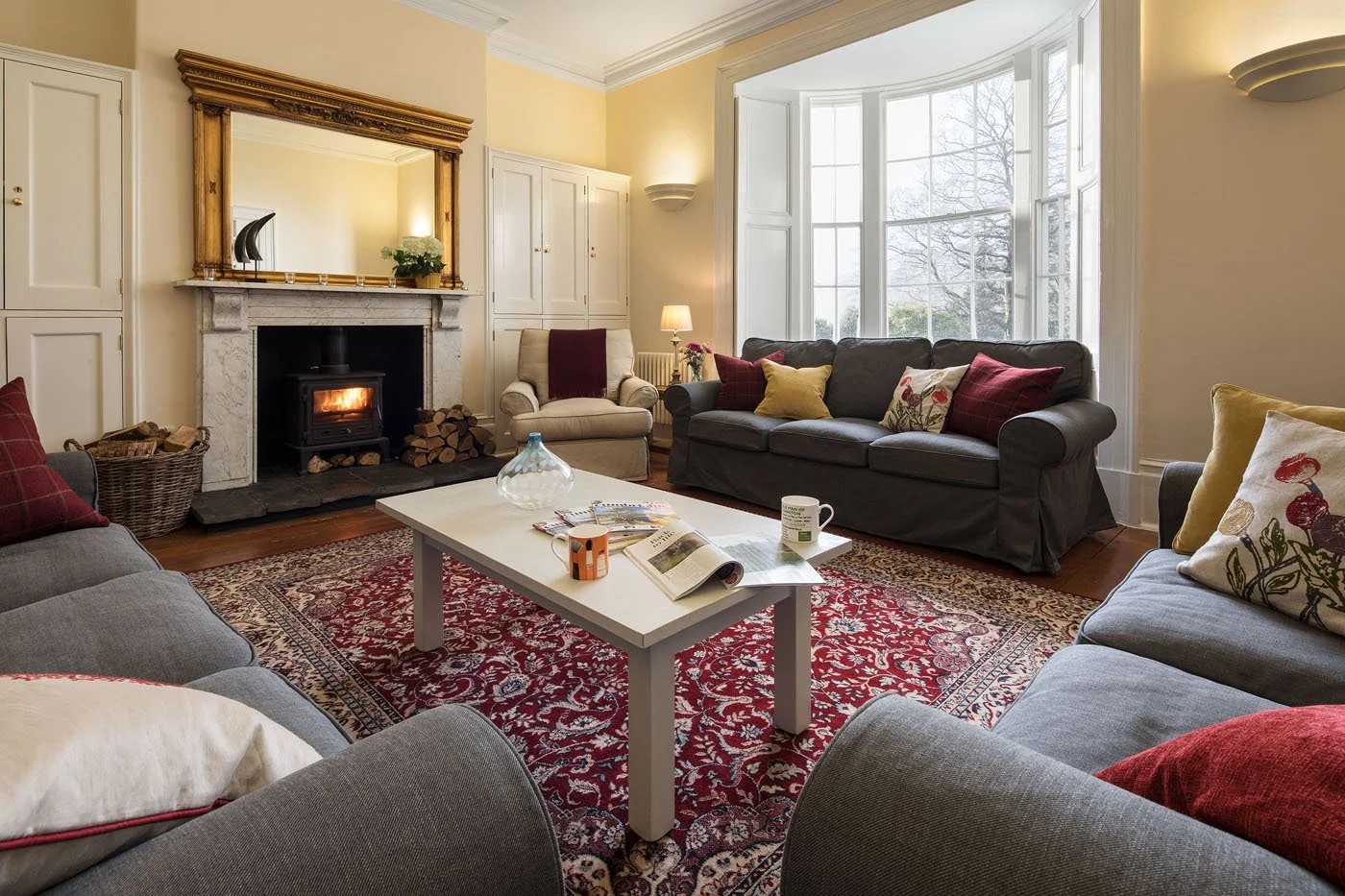
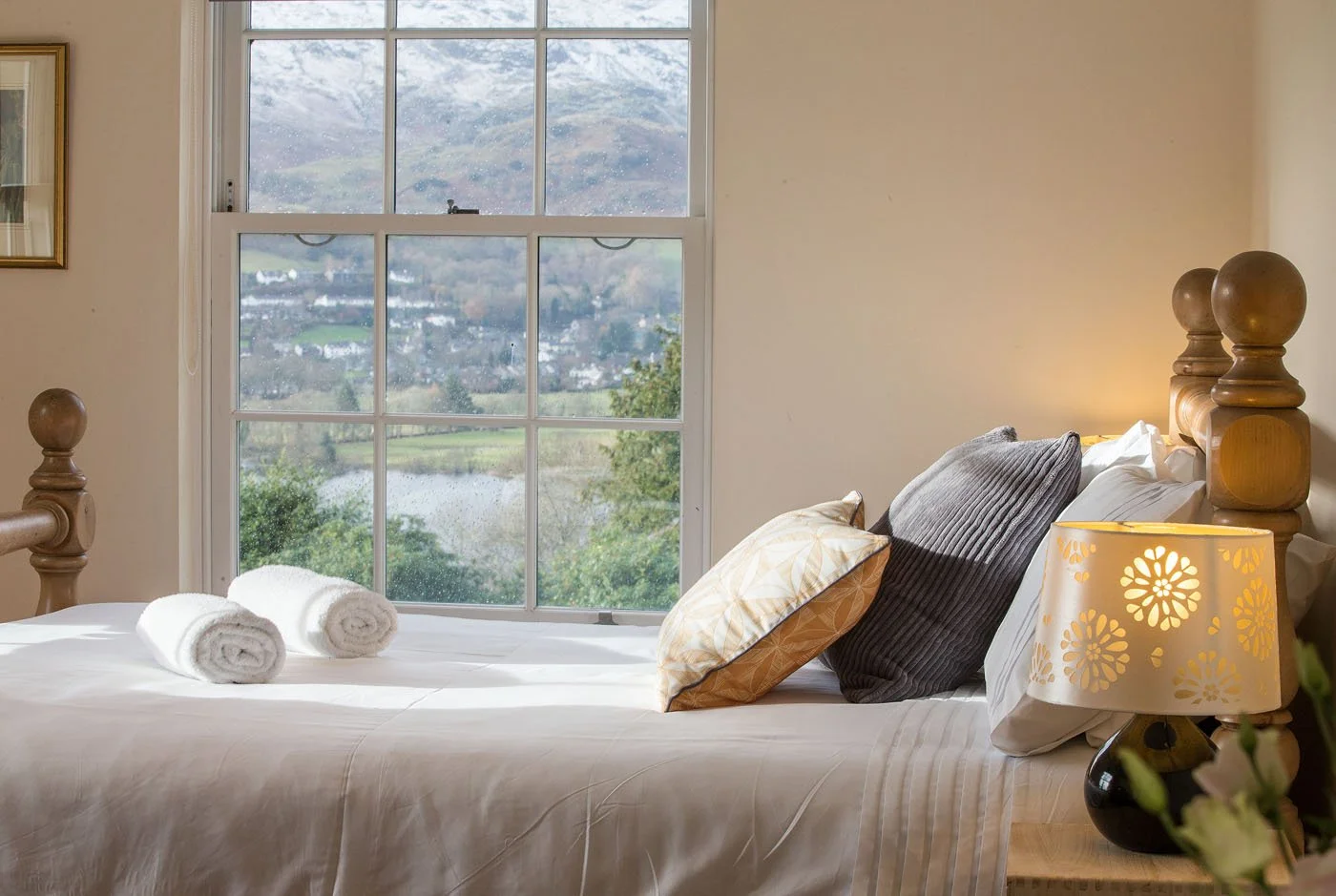
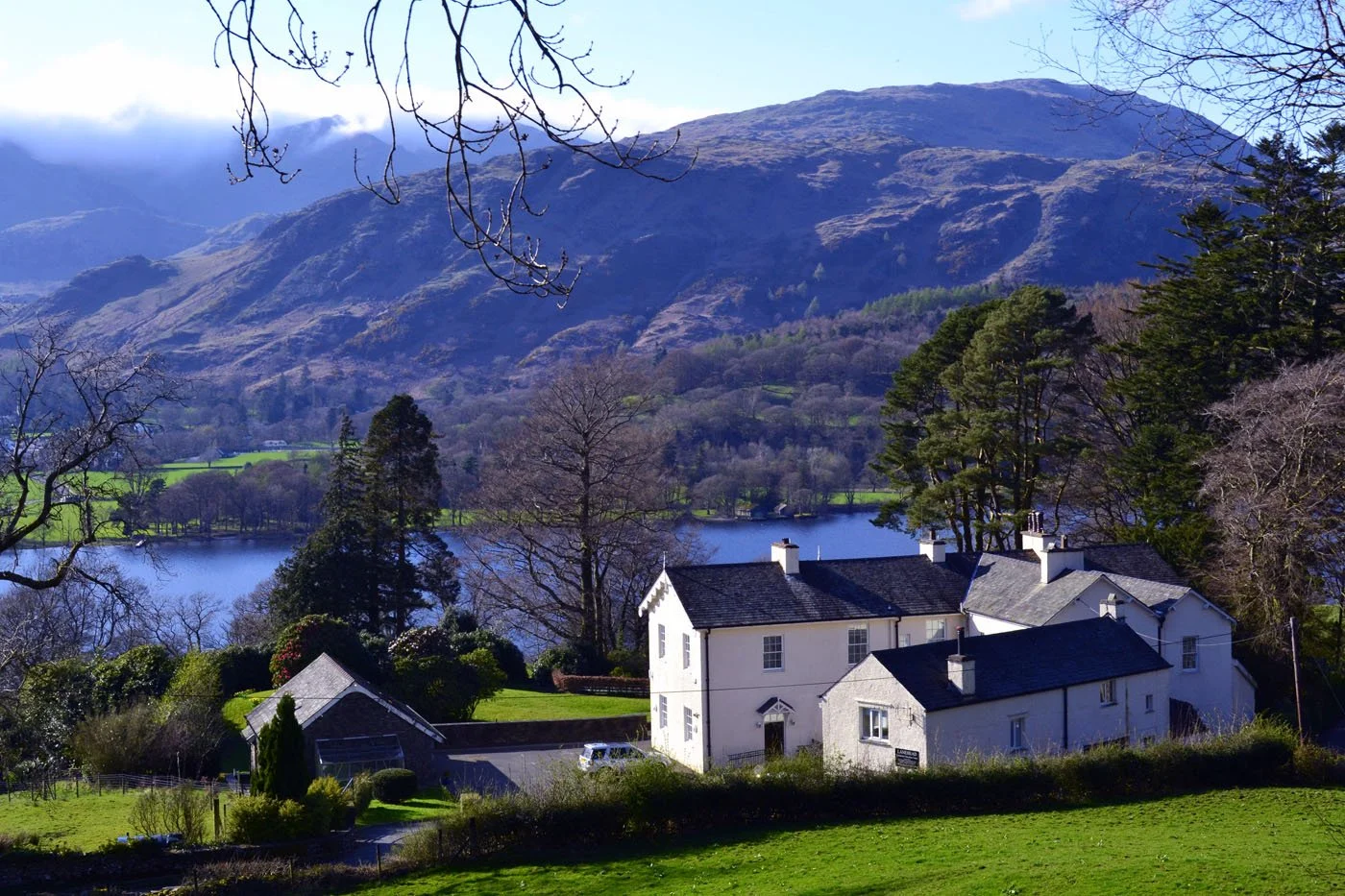
Lake District Retreat
Turning a 36-bedroom stately home into a thriving specialist retreat
When Nick and his family started looking for a large property in the Lake District, they weren't waiting for the perfect opportunity to appear on Rightmove.
They were actively looking, talking to people and making it known that they wanted to buy.
That network eventually led them directly to the owners of a 36-bedroom stately home, complete with a three-bedroom cottage, woodland and boathouse.
The property wasn't on the open market.
And, for an asset of its scale, the price immediately caught Nick's attention.
But unlike the Cornwall project, there wasn't a fully formed development plan from day one.
Sometimes the opportunity is simply recognising that what you're buying has value, then working out the best way to unlock it.
The opportunity
The scale of the property created plenty of possibilities.
Nick knew there were multiple potential uses for the building and the Lake District location personally appealed to his family. Buying off-market also meant they weren't competing with a large pool of other buyers.
The challenge was deciding what to do with it.
Rather than forcing a strategy onto the property from the outset, they started operating it and allowed the market to help shape what came next.
The project at a glance
36-bedroom stately home
Additional three-bedroom cottage
Woodland and boathouse
Acquired off-market
C2 planning use
No major initial development required
More than £300,000 identified in qualifying Capital Allowances
Repositioned towards the yoga, mindfulness and retreat market
Ongoing improvements funded as the property operates
Finding the right model
As the property began to operate, one particular market emerged as a strong fit: organised retreats.
Rather than running it as a traditional hotel, Nick developed a model that could be considerably more passive from an ownership perspective.
The property is rented directly to yoga teachers and retreat organisers, who bring their own guests and manage the retreat itself.
That distinction was important.
Operating as a hotel would have required Nick and his team to take responsibility for the day-to-day hospitality operation. The retreat model allowed them to provide the property and facilities without creating another business that demanded their constant involvement.
Developing around the customer
Once the target market became clear, investment in the property became much more focused.
Instead of making improvements simply because they could, Nick and his team began developing the offering around what retreat organisers and their guests actually wanted.
Facilities such as saunas and plunge pools have been added, while the marketing has become increasingly focused on the yoga, mindfulness and retreat market.
The result has been a significant increase in turnover and a property that Nick describes as consistently extremely busy.
It is a good example of how creating value doesn't always mean making a building bigger.
Sometimes it means understanding who wants what you already have, then making it better for them.
Working with the property, not against it
The property has a C2 planning classification, which limited some of the options for its use.
Rather than embarking on an expensive planning process to fundamentally change the building's use, Nick found a market that could work within the existing classification.
That allowed the business model to develop without the cost and uncertainty of pursuing a major change of use.
The building itself was also ready to operate when purchased, meaning there wasn't a significant development bill before it could start generating income.
Improvements could instead be made gradually, with the property helping to fund its own development.
An unexpected financial opportunity
One of the biggest lessons from the project came from understanding the tax treatment of a commercial property of this scale.
The purchase created an opportunity to identify more than £300,000 in qualifying Capital Allowances, which could be used within the business's tax position.
It reinforced another important lesson: the value of a property opportunity isn't always contained within the purchase price, rental income or eventual sale price.
Specialist professional advice can uncover considerations that aren't immediately obvious when assessing a deal.
The challenge of owning from a distance
As with the Cornwall project, geography has created its own challenges.
The property is around two hours from Nick's home, and emergencies inevitably happen when operating a building of this size.
Over time, Nick has built a network of local contacts and resources who can deal with issues without requiring him to travel to the property every time something goes wrong.
That infrastructure has been important in making the investment work as intended: a successful asset without requiring Nick to be there every day.
The result
What began as an off-market purchase without a fixed end strategy has developed into a highly successful specialist retreat property.
Rather than trying to turn it into a conventional hotel or pursuing an expensive change of use, Nick:
Identified a niche market suited to the existing asset
Developed the facilities around that audience
Created a more passive operating model
Built local support to reduce hands-on involvement
Continued improving the property from the income it generates
Identified more than £300,000 in qualifying Capital Allowances
The result is a busy retreat venue with an offering specifically developed around the needs of its market.
The biggest lesson
If Nick were approaching the same project today, he would probably develop the market plan earlier.
But the experience also demonstrated something important.
You don't always need to know exactly what an opportunity will become before you buy it. You do need to understand what you're buying, recognise the options available to you and be prepared to adapt as you learn more.
In this case, finding the right niche ultimately became as important as finding the right property.
From experience to strategy
Property strategy isn't simply about choosing between buy-to-let, HMOs or serviced accommodation.
Sometimes the opportunity is in an unusual asset, an existing planning use, a different operating model or a market other investors haven't considered.
AURA is designed to help investors look at the bigger picture and build a property strategy around what they actually want to achieve.